
Monument Posts
Energy: Part 2 “Economics”
In Part 2 of explaining the NCFCA policy resolution on energy policy, Coach Vance gives an introduction to debaters’ economics.
Energy: Part 1 “Definitions”
Vance Trefethen presents his introductory lesson to United States energy policy, the NCFCA debate resolution. This is Part 1 of a four-video series covering the Season 20 NCFCA resolution on energy.
Monetary Policy: Part 1 “Definitions”
Vance Trefethen presents his introductory lesson to banking, finance and monetary policy, the Stoa policy debate resolution. This is Part 1 of a three-video series covering the Season 20 Stoa resolution on monetary policy.
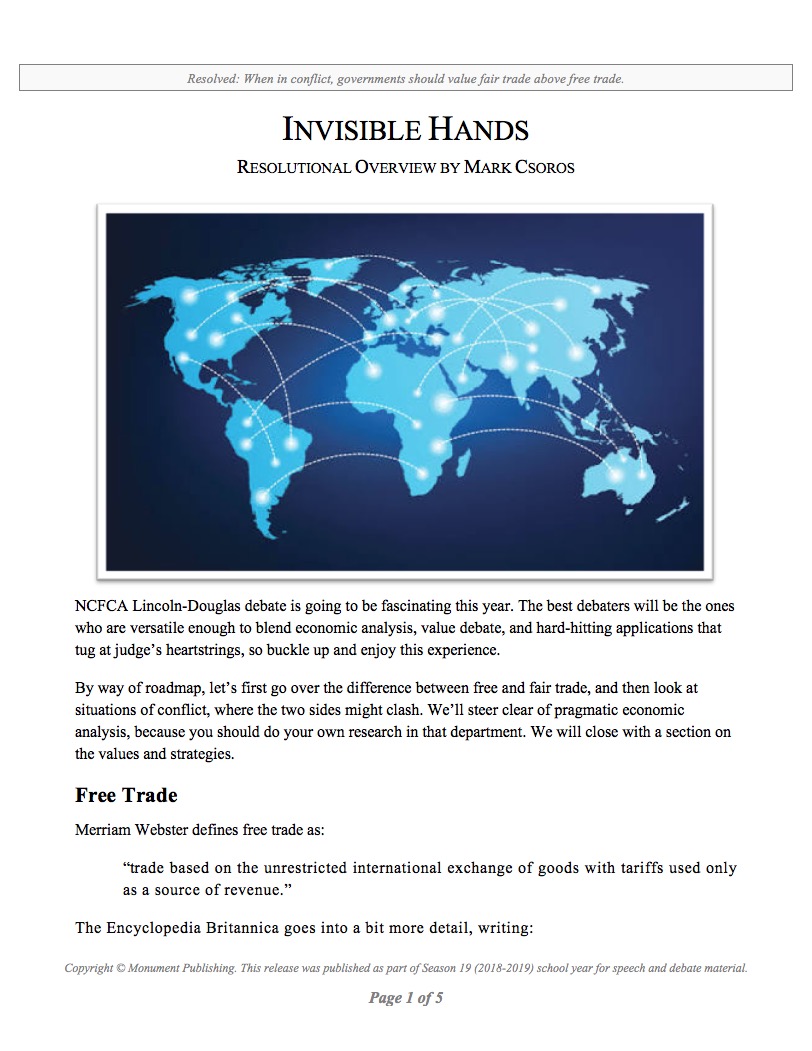
Fair Trade vs Free Trade
Resolved: When in conflict, governments should value fair trade above free trade.

Terrorism
Resolved: The United States Federal Government should substantially reform its foreign policy regarding international terrorism.
Foreign Aid
Resolved: The United States federal government should substantially reform its foreign aid.

Truth-seeking vs Individual Privacy
Resolved: Criminal procedure should value truth-seeking over individual privacy.

Law of the Sea
Resolved: The United States should accede to the United Nations Convention on the Law of the Sea without reservations.
Immigration (Legal)
Resolved: The United States federal government should substantially reduce its restrictions on legal immigration to the United States.
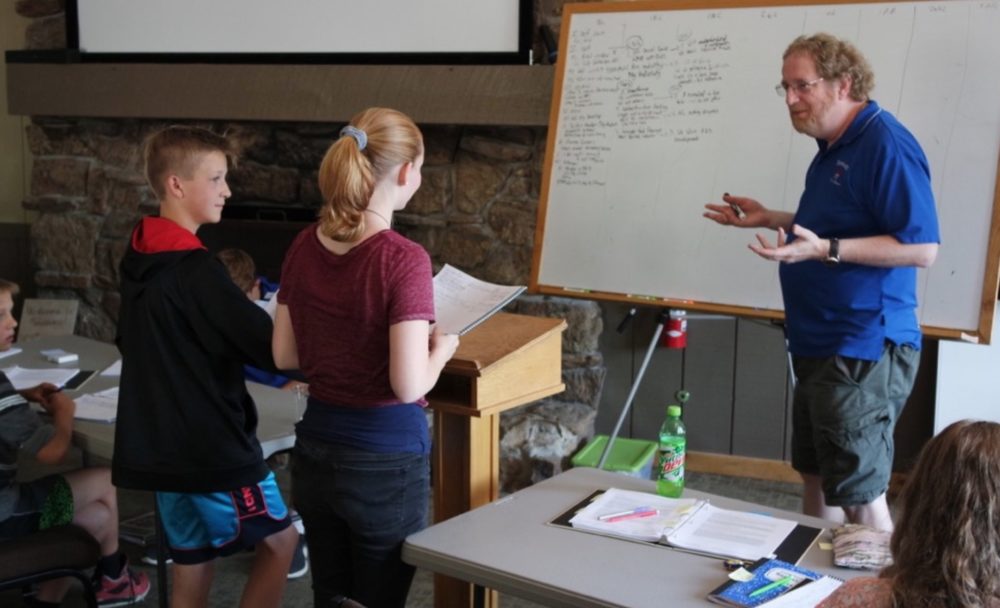
Advanced Analysis and Refutation
Analytical thinking is a necessary skill when engaging in argumentation and debate. However, debaters often fail to dig in deeper to truly challenge the claim. In this camp session, “Coach Vance” Trefethen explains how to truly think analytically and refute claims in debate.
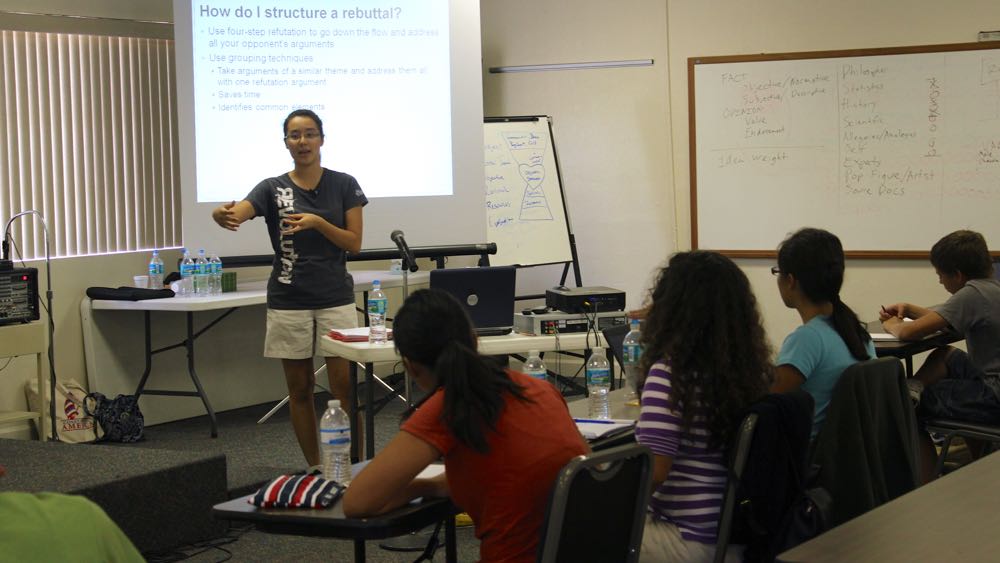
Using Logic in Debate
Logic is used to build arguments as well as attack your opponent’s arguments. Brooke Wade, national NCFCA champion in Lincoln-Douglas debate, gives her ideas on how to apply logic in the round.
Introduction to the SCORRE Method
“SCORRE” is an acronym for a detailed formula for developing consistent and impactful professional speeches. Chris Jeub gives a summary of the method as well as how to apply them to impromptu and platform speeches.
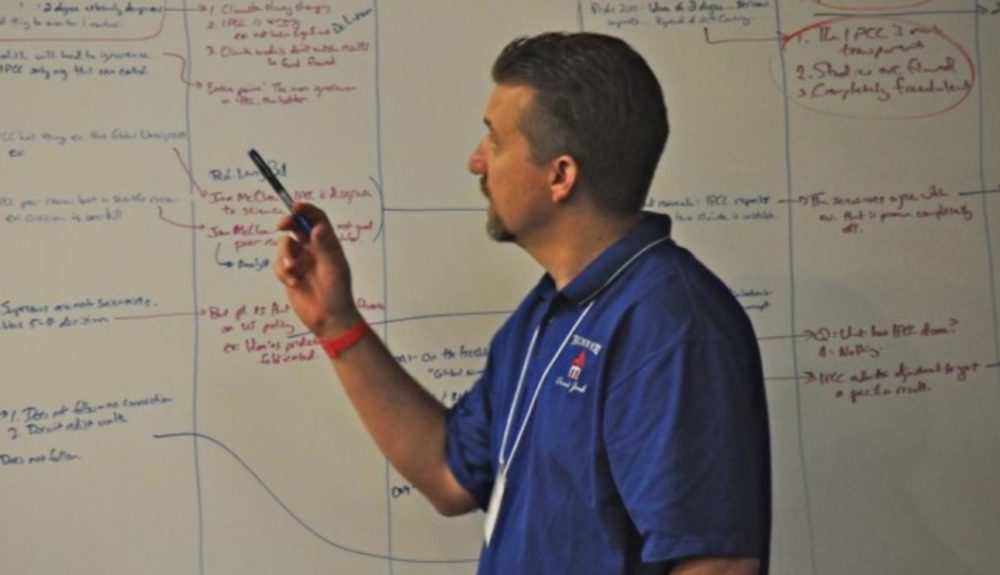
Revising Your Speech
There are principles to great editing. Chris Jeub is a professional editor with extensive experience in editing. He explains how to best edit speech and debate pieces and goes through an example for you to follow.
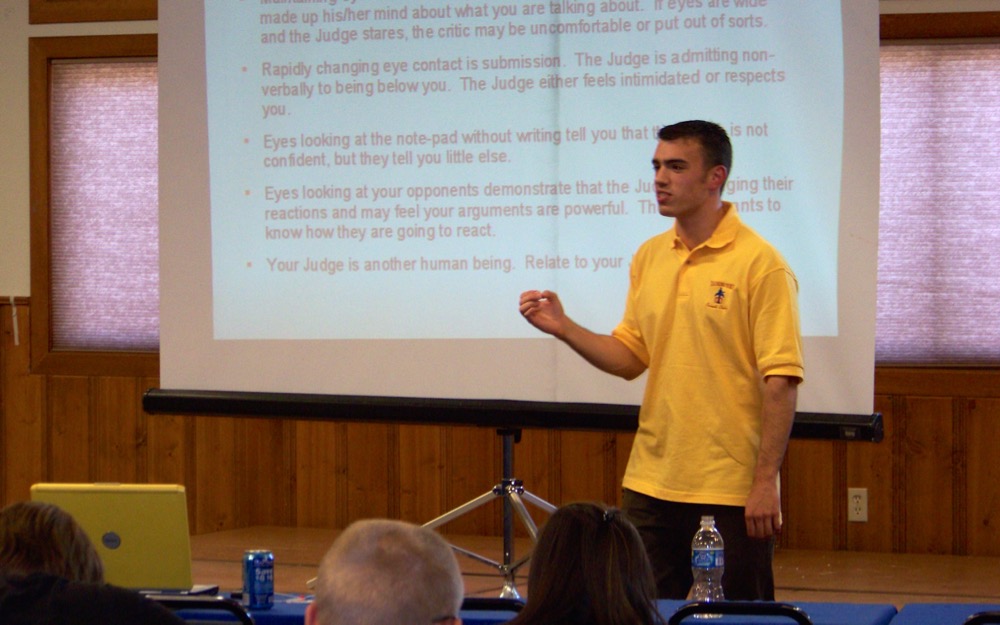
Extemp Ethics
Extemp (as well as other limited-prep events like Apologetics) often allows for unethical use of evidence and research. Listen in to the discussion made at Extemp Camp about ethics in extemporaneous speaking.
Nonverbal Communication
Nonverbal communication is what you communication when you’re NOT speaking. Cody Herche explains why this is so important, the queues of nonverbal communication, and how to improve yours in competition.
Organizing Your Platform Speech
Organizing a platform speech takes building a strong thesis and extracting errors of analysis. Cody Herche, a national champion back in his high school days, gives “Cody’s Rules” on organizing platform speeches.
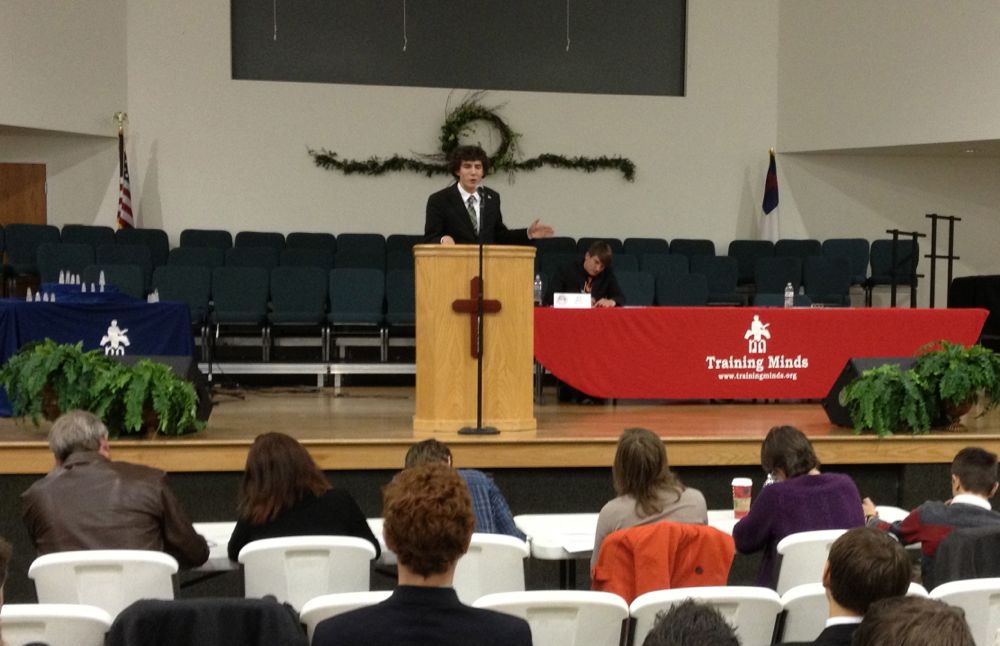
Primary Research
Where are debate rounds won and lost? Larry Sparks believes it is in the research that debaters put together. Mr. Sparks explains the processes he follows to train his debaters for success.

Making Yourself a Credible Speaker
Building credibility is one of the best strategies for extemporaneous speakers in competition. Champion extemper and debater Isaac Harris gives his steps to building credibility in extemp.
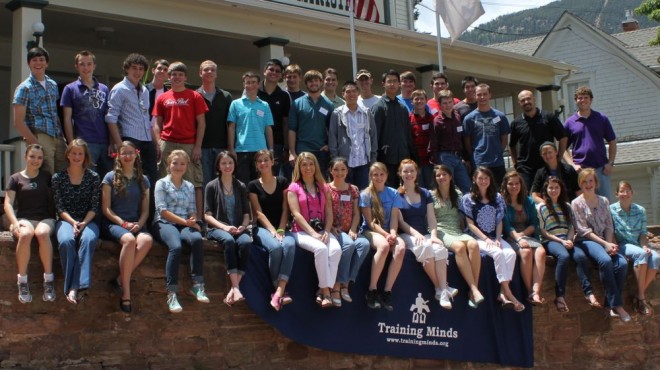
Organization and Time Management
Lincoln-Douglas debate has a very tight timeframe for its speeches. Organization and time management are very important. LD champion Jon “De” Bateman gives his ideas on how to best organize your speeches and manage your time in an LD round.
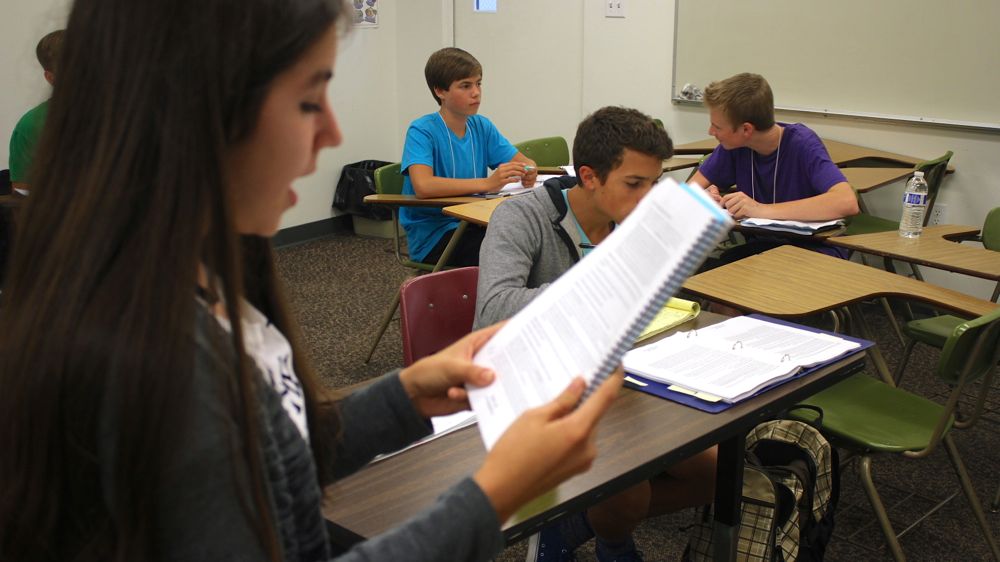
Habit of Debate
The activity of debate is much like music: When you start learning to play music, you need to master the basics by habit before improvising into greatness. Isaac McPeak explains how to building habits in debate make you a better debater.
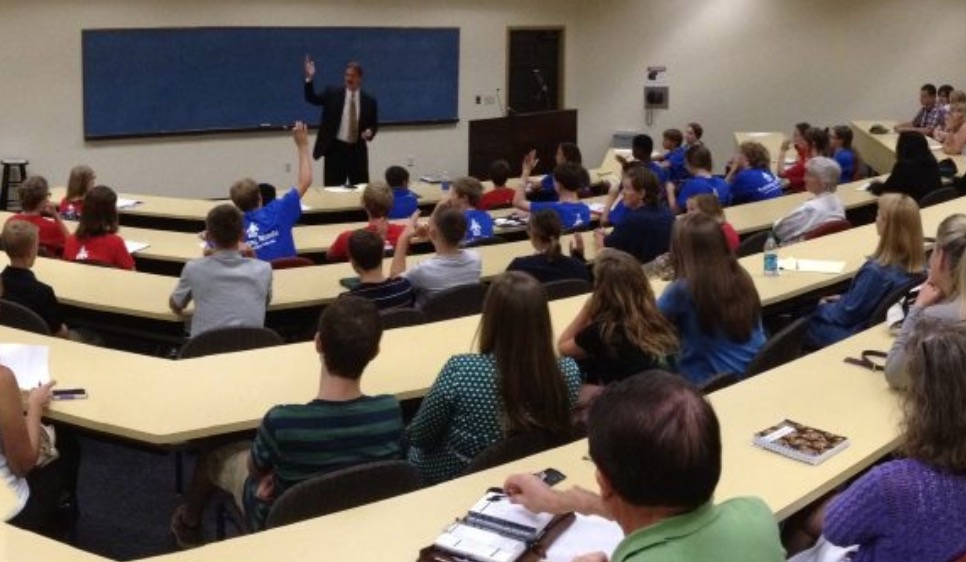
Caution and Craziness Part 3
Keynote speaker Andrew Pudewa continues his charge to For Action Conference attendees in Part 3 of this presentation.
Caution and Craziness Part 2
Keynote speaker Andrew Pudewa continues his charge to For Action Conference attendees.
Caution and Craziness Part 1
Debaters assembled in Colorado in 2014 to cast a greater vision for academic speakers and debaters at our only “For Action” camp. Keynote speaker Andrew Pudewa encourages students to ask, “Who am I? Why am I here? What am I supposed to do in this life?”
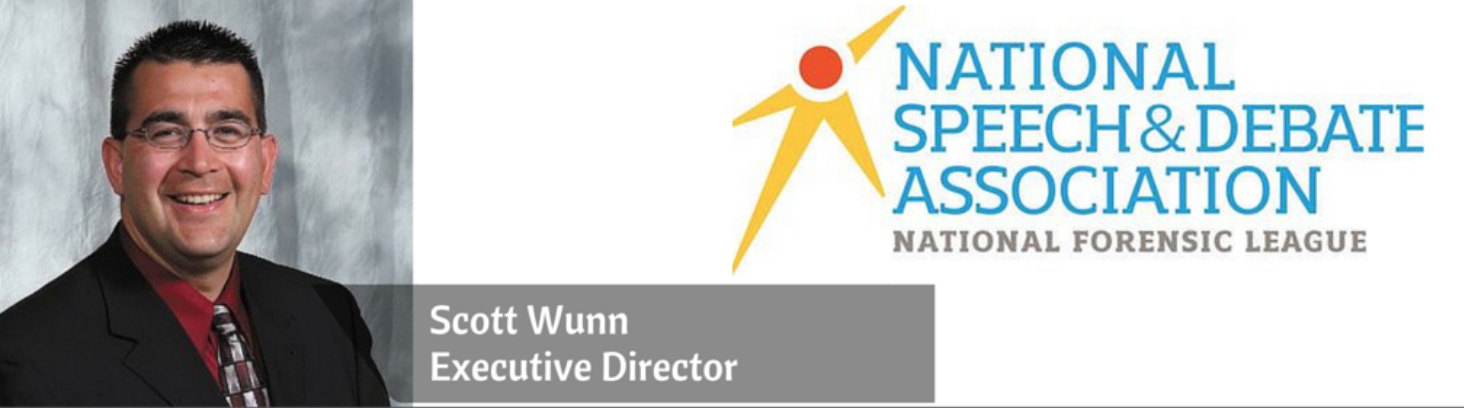
Interview with Scott Wunn of NSDA
The National Speech and Debate Association (formerly the National Forensic League) is the largest speech and debate league in the nation. Chris Jeub interviewed the Executive Director, Scott Wunn, to list the events the league has to offer students, particularly homeschool students.

Extemp Basics and Champion Analysis
Champion extempers know that the key to successful extemp speaking is giving champion-level analysis of the headlines. Extemp champion Shane Baumgardner explains in this Extemp Camp session.
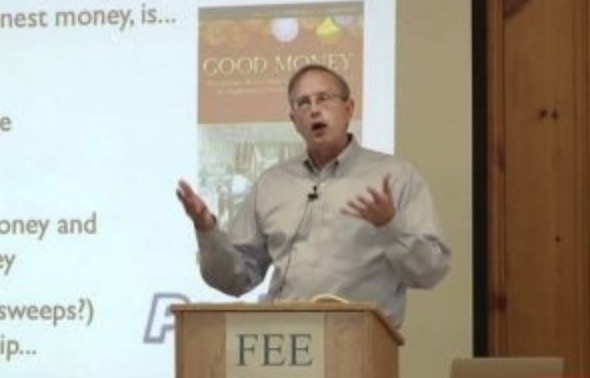
Economic Concepts in Extemp Part 2
Economics sounds difficult, but basic concepts of economics are less difficult to understand than extempers think. Economist and author Greg Rehmke continues is explanation in this camp session.
Economic Concepts in Extemp Part 1
Economics carries a lot of weight when presenting winning extemporaneous speeches. In this camp session, economist Greg Rehmke of Economic Thinking teaches basic principles of economics specifically for extemp competitors.
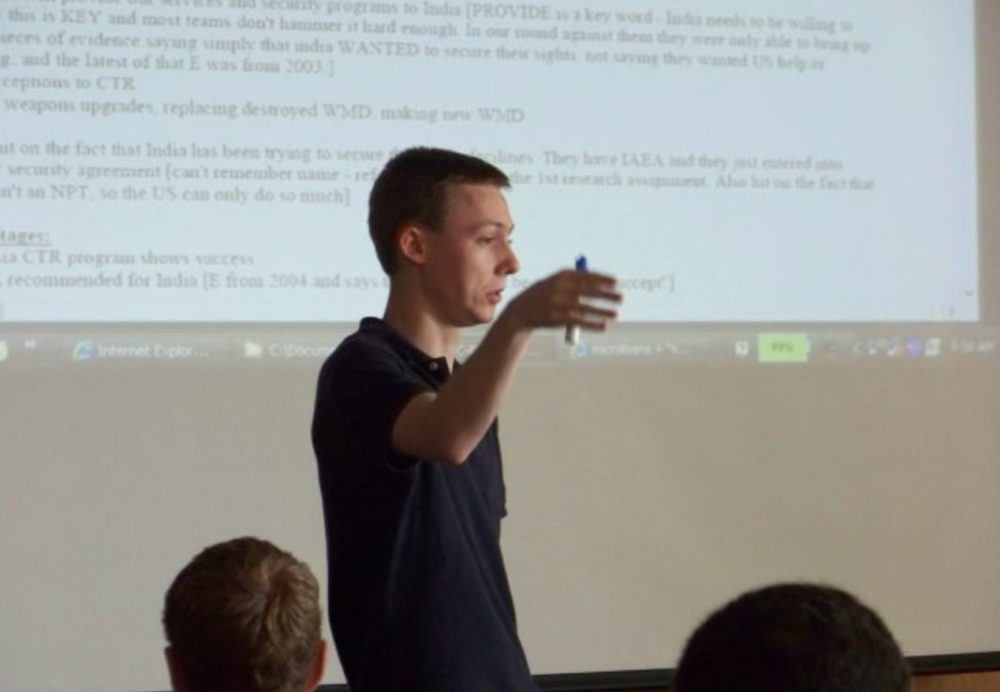
Government Documents for Research Part 1
The government has excellent sources to study and use when researching the league’s policy debate topic. Matthew Baker covers everything from the US Constitution to modern repositories that debaters can use in their research.
Stripes of the Champion Apologist
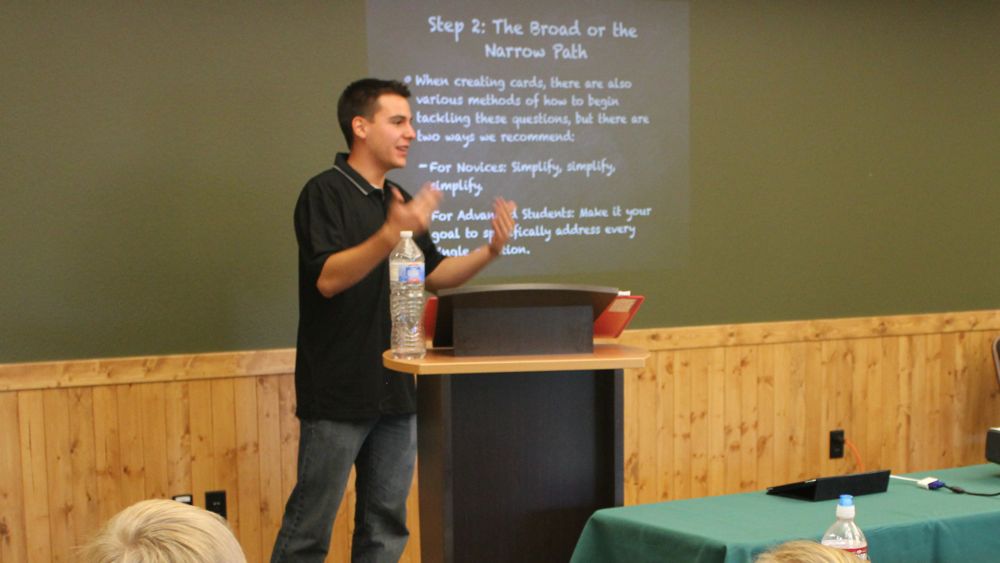
The “Red Zebra Theory” is an idea introduced by Apologetics champion Luis Garcia that differentiates winning apologetics speeches from the rest of the pack.
Principles of Great Refutation
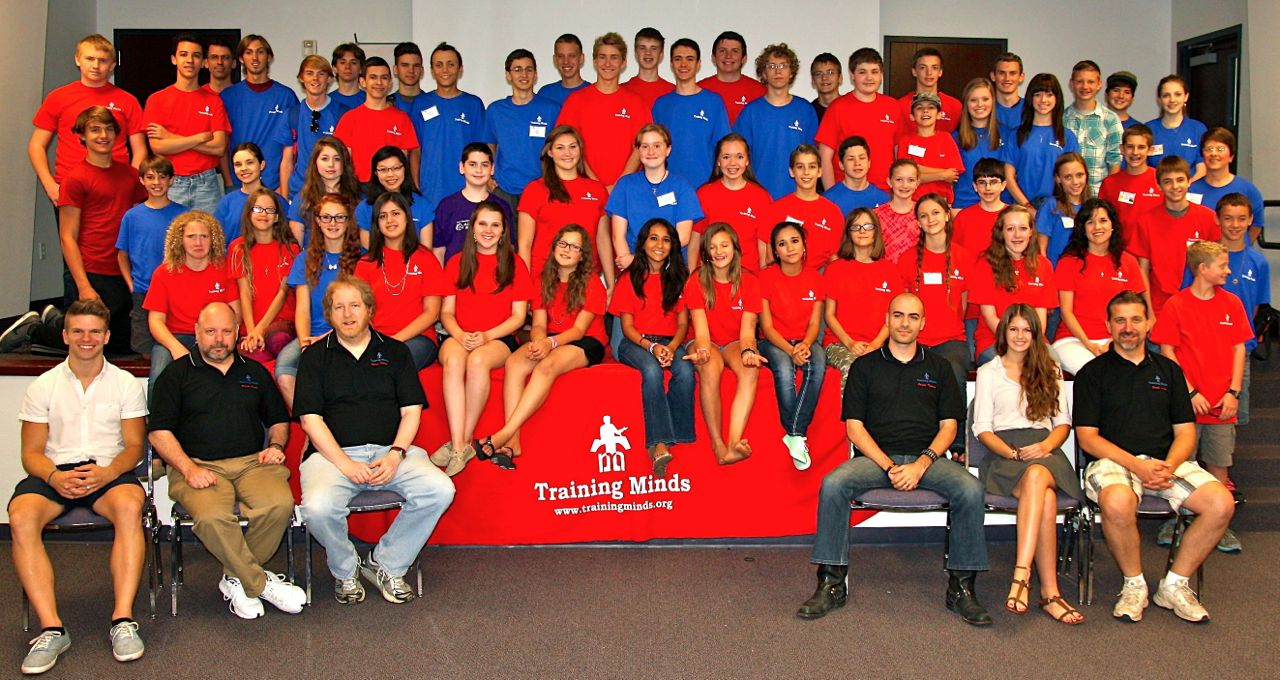
Understanding the format of an argument is the basis for preparing a strong refutation. Lincoln-Douglas debater Lydia Williams explains to novice debaters how to attack basic arguments and build the rebuttal that will win rounds.

Improving Delivery
“Delivery” is the use of verbal and non-verbal communication to persuade your judge in a debate round. National Lincoln-Douglas debate champions Jon Bateman and Matthew Baker present campers with five delivery techniques to improving delivery.
Judge Expectations in Apologetics
Apologetics judges enter a room with a job to do: fill out ballots of everyone they judge. Undefeated Apologetics champion Luis Garcia gives the roadmap of how to structure your speech to deliver an award-winning speech.
Apologetics Foundations
This camp session is a great start to understanding apologetics in Christian speech and debate leagues. Undefeated national champion Luis Garcia explains this popular and unique speech event.
Ethical Evidence (by Matthew Baker)
What creates unethical evidence? Two-time NCFCA national finalist Matthew Baker gives his rundown of reasons as well as solutions to combat unethical evidence use in academic debate.
Value of Library Research
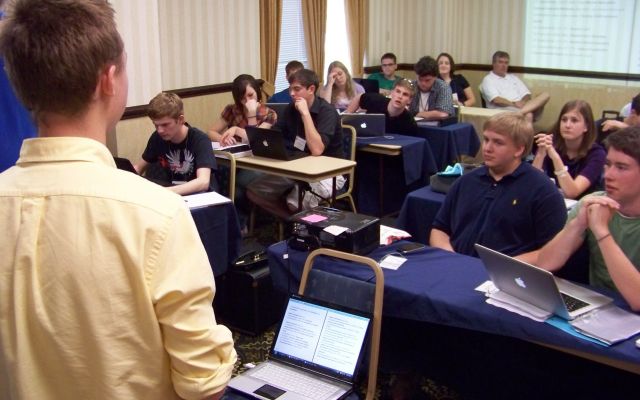
In the world of online debating, it is tempting to write off traditional libraries. They are actually the best place to start your research. Matthew Baker explains.
Government Documents for Research Part 2
Matthew Baker continues his discussion with Research Camp participants on using government documents (starting with Supreme Court decisions) in their Policy Debate research.
BECOME A LIFETIME MEMBER
Want to upgrade to a Lifetime Membership. You can by clicking on the link below. If you already signed up for a Yearly Membership, please email me at support@monumentpublishing.com, and I will refund that registration fee once you are signed up for the Lifetime Membership.