
Monument Posts

Generic Negative Briefing
Generic arguments are strategic pivots that negative debaters can bring into the debate round to turn the narrative against their affirmative opponents. Matthew Baker gives his list of how to write solid generic briefs for competition.

Advanced Values
Lincoln-Douglas debaters should learn to advance to a higher-level understanding values in a debate round. Matthew Erickson, the 2012 Stoa National Champion in LD, gives his understanding of how to run advanced values in this camp session.

Cross-examination for Lincoln-Douglas Debate
Perhaps the most common problem for new debaters is coming up with helpful and effective cross-examination questions. Matthew Erickson shares his champion-level strategies to asking strong CX questions, particularly in Lincoln-Douglas debate.

Speaking Drills for Debate
Several strategies are applied to make you a better debater, but drills help you prepare for difficult competition. Lincoln-Douglas title winner Matthew Erickson explains his favorite speaking drills that he used to prepare to win.
Pre-scripting Arguments
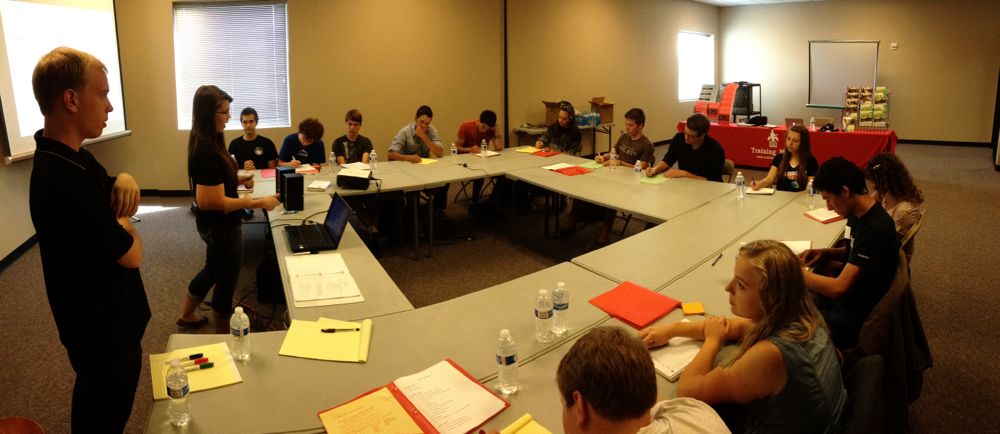
Debaters make a claim, support it, and give impact in why it matters. National debate champion Matthew Erickson shows how to pre-script popular arguments to prepare for your next tournament.
Strategic Negative Debating Part 1
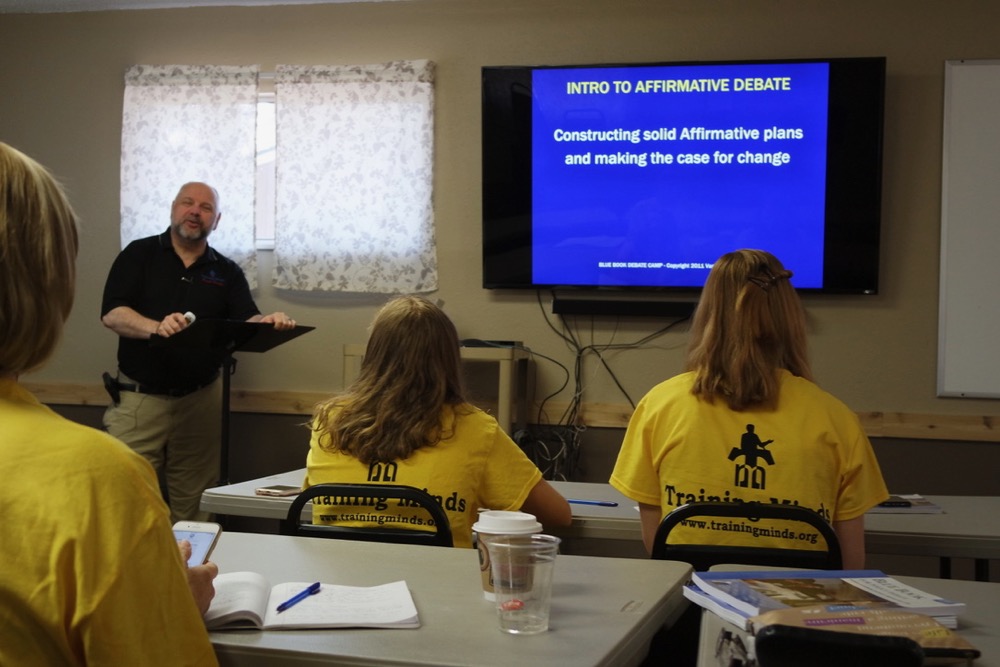
All debaters will take the negative side of policy debate rounds at least half of the time. Rob Parks gives you techniques, strategies and tools that will help yo be a strong negative debater.

Focus on Nationals
If you made it to your national tournament, you’re about to enter the most academically challenging tournament of your year. Multi-winning champion Shane Baumgardner explains the focus to have to make the most of your experience.

Strategic Negative Debating Part 2
How do you beat pirates? By thinking like a pirate. This is much the same mindset that expert debaters utilize in bringing affirmative cases down. Rob Parks continues his advice on how to be strong negative debaters.
Alternative Policy Case Structures
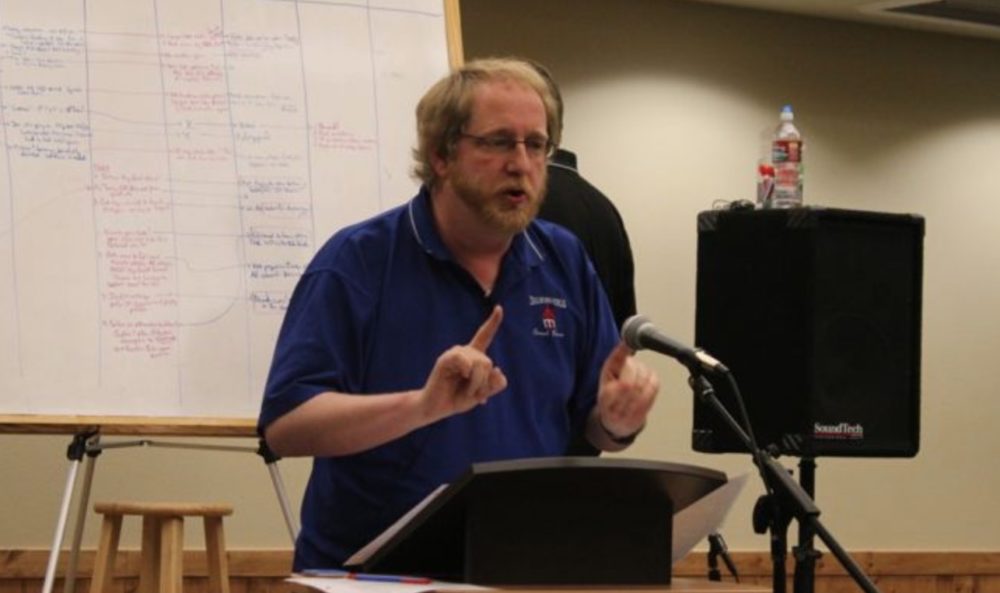
Not all policy cases follow the traditional “harms-solvency” structure. In this camp session, “Coach Vance” Trefethen explains other case formats that help make stronger winning cases.
Cross-examination for Policy Debate
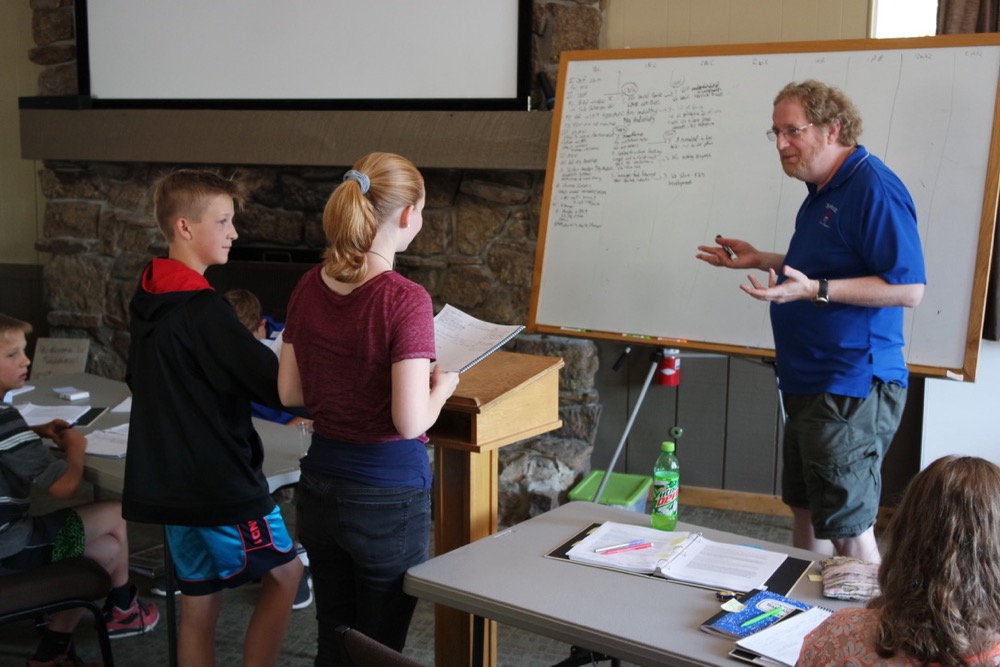
Cross-examination is a favorite skill for debaters, but the hardest for debaters to master. Vance Trefethen explains how to ask good questions and avoid bad ones, particularly for policy debate.
Case Construction
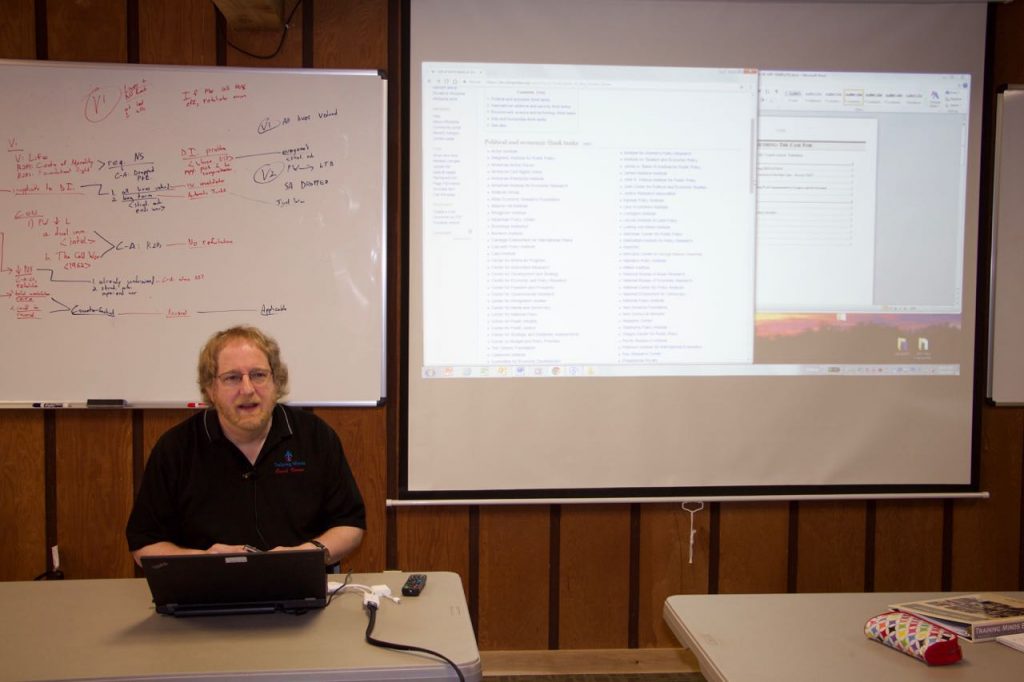
The traditional “harms-solvency” case is the most basic and arguably most successful debate case format in policy debate. “Coach Vance” Trefethen explains how this case format is structured and how it is used to win debates.

Ethical Evidence (by Vance Trefethen)
Unethical evidence is a huge problem across all leagues. Vance Trefethen educates debaters to understand what fraudulent evidence is as well as teach debaters how to identify and beat debaters who use unethical evidence.
Evidence
Evidence is the best way to provide support to policy debaters’ claims they make in a debate round. “Coach Vance” Trefethen explains the purpose and applicability of evidence in debate rounds.
Harms-Solvency Case Structure
The “Harms-Solvency” case is the traditional policy debate case where the problems are defined and a plan is proposed to solve them. “Coach Vance” Trefethen explains how to build the strongest harms-solvency case.

Strategies for Negative Policy Debating
Affirmatives have a definite starting and ending point, a predetermined course to follow. Negatives, however, have to adapt to every possible affirmative case out there. Vance Trefethen explains how to think like Affirmatives to best attack them for the win.
Supply and Demand
Supply and demand is the basic principle to all economics. “Coach Vance” Trefethen explains how this basic principle can (and should!) be used to win policy debate rounds.
Tactical Negative Debating
After establishing how a negative debater should be thinking (like a pirate!), “Coach Vance” Trefethen explains how negative debaters can strategically and tactically blow up the affirmative case.
Clashing Worldviews
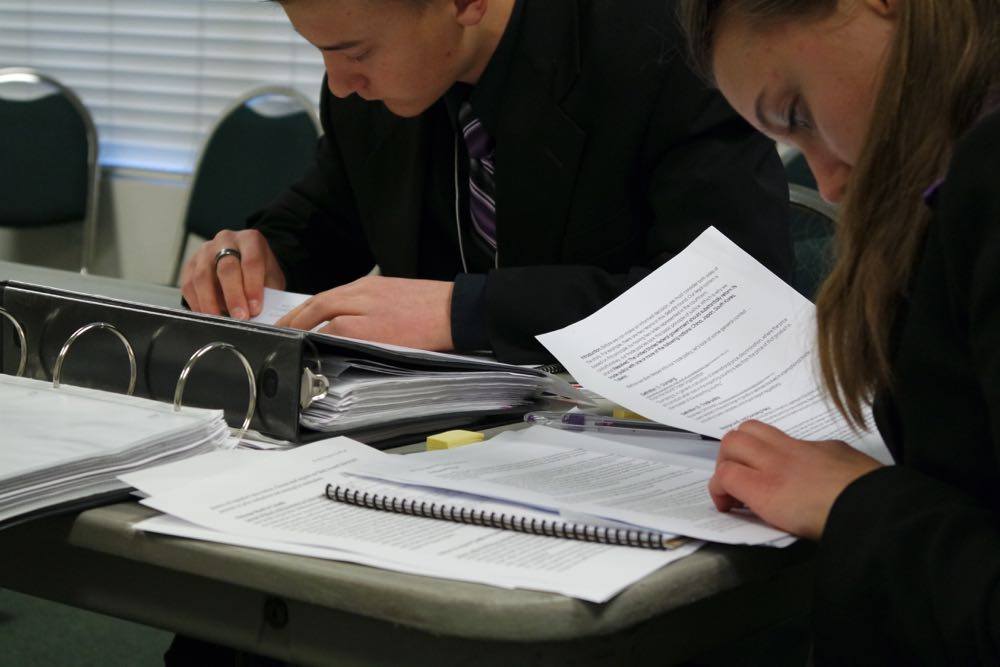
Just as Abraham Lincoln and Stephen Douglas debated “worldviews” in the 19th century, so do value debaters today in Lincoln-Douglas debate. Cheyenne Ossen explains the different motivations to supporting and negating value resolutions.
Flowing Lincoln-Douglas Debate
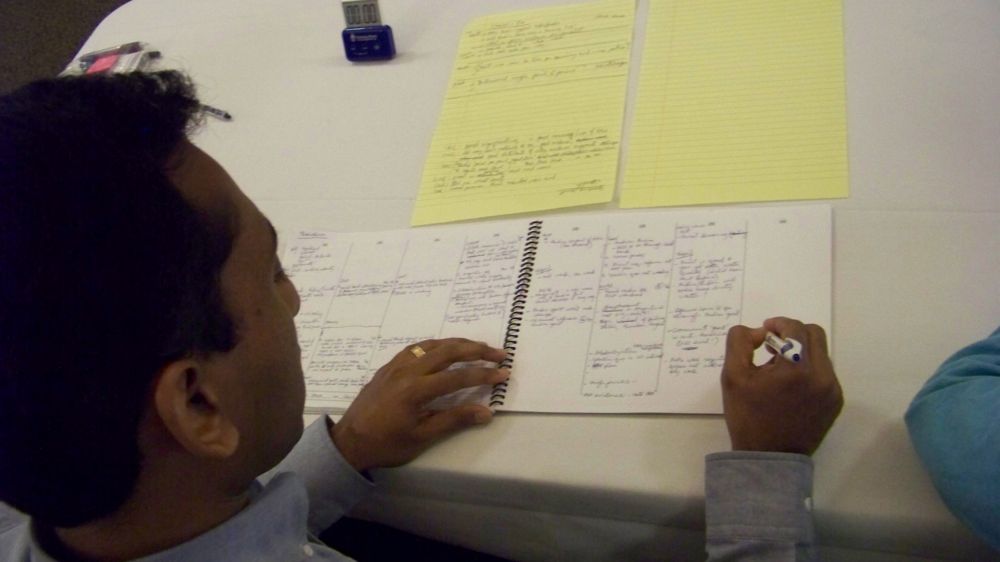
“Flowing” is the process debaters use to take notes in a debate round. Much strategy is involved in the technique. Brook Wade, NCFCA national champion in Lincoln-Douglas debate, explains best practices in flowing LD rounds.
Topicality
In policy debate, “topicality” helps keep the debate within the boundaries of the resolution. In this camp session, “Coach Vance” Trefethen explains what topicality is, how it is used, and how to impact it in a debate round.
Blue Book for Policy Debate
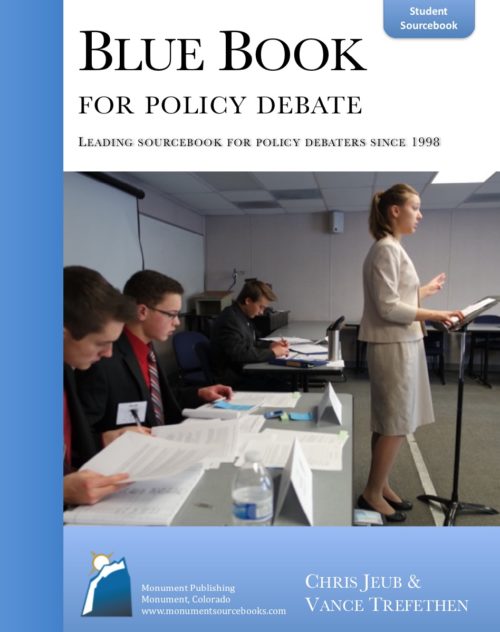
Master the structure and strategy to winning policy debates with the trusted Blue Book.

Universal Basic Income
Resolved: The United States ought to provide a universal basic income.

South Korea Defense
Resolved: Deployment of anti-missile systems is in South Korea’s best interest.

Preemptive Warfare
Resolved: Preemptive warfare is morally justified.
Presidential War Powers
On balance, the current Authorization for Use of Military Force gives too much power to the president.
NCAA Fair Labor
NCAA student athletes ought to be recognized as employees under the Fair Labor Standards Act.
H-1B Visas
The United States federal government should increase its quota of H-1B visas.
Gun Background Checks
Resolved: The United States should require universal background checks for all gun sales and transfers of ownership.
Catalonia
Spain should grant Catalonia its independence.
Capital Gains Tax
The United States should abolish the capital gains tax.

Civil Disobedience
Resolved: Civil disobedience in a democracy is morally justified.

Higher Education
Resolved: The United States should significantly reform its policies regarding higher education.
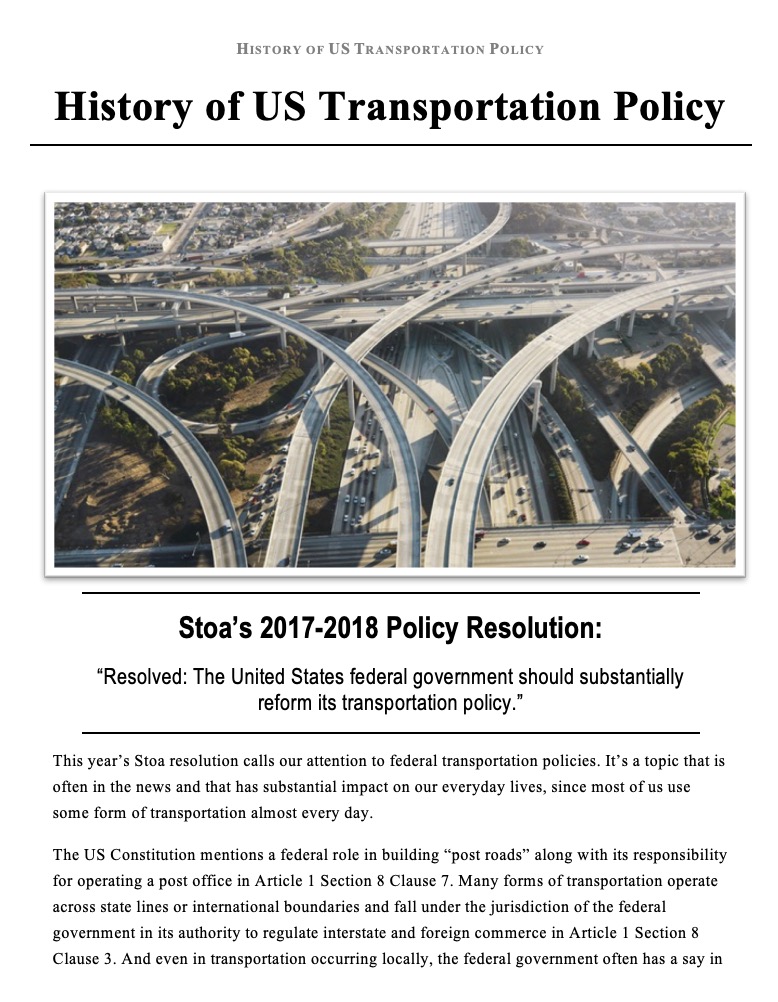
Transportation
Resolved: The United States Federal Government should substantially reform its transportation policy.
Rehabilitation vs Retribution
Resolved: Rehabilitation ought to be valued above retribution in criminal justice systems.
Public Needs vs Private Property Rights
Resolved: The needs of the public ought to be valued above private property rights.

China
Resolved: The United States Federal Government should substantially reform its policies toward the People’s Republic of China. (NCFCA)
BECOME A LIFETIME MEMBER
Want to upgrade to a Lifetime Membership. You can by clicking on the link below. If you already signed up for a Yearly Membership, please email me at support@monumentpublishing.com, and I will refund that registration fee once you are signed up for the Lifetime Membership.